科创中国


民族艺术瑰宝---土家织锦简介双语版
发布时间: 2021-11-06
“一片锦·一生情·百世传·千根线·万次织”我们所有的努力只为给您最美的呈现,我们坚持传统手工艺术只为给您一个独一无二的心情,在这里让我们以土家织锦诠释时尚。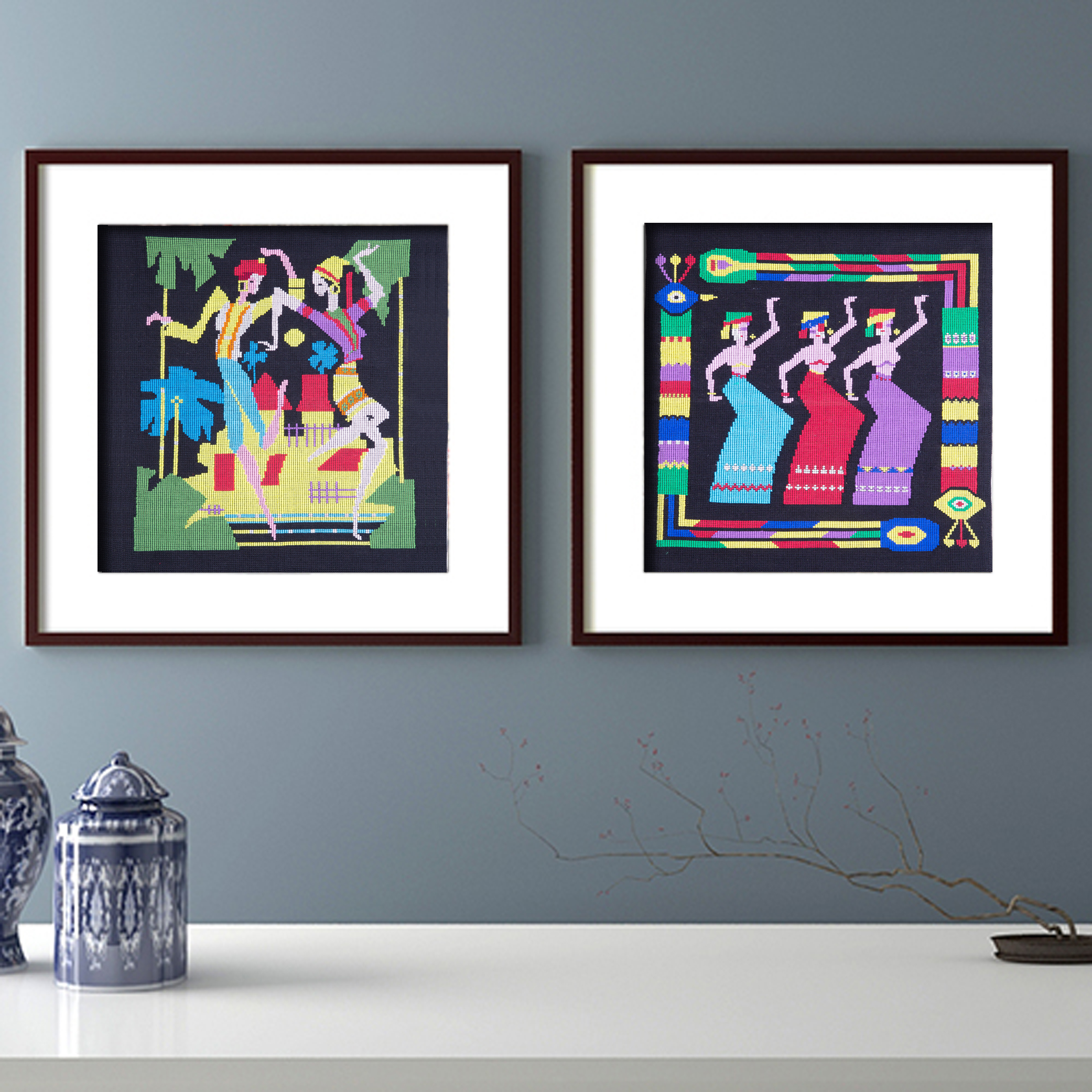
土家织锦俗称“打花”,又称“打花铺盖”,土家语叫“西兰卡普”,“西兰”是铺盖的意思,“卡普”是花的意思,连起来 “西兰卡普”就是花铺盖的意思。土家织锦工艺原始而复杂,使用一种古老的纯木质腰式斜机,采用“通经断纬、反面挖花”技艺织造而成,主要有十二道工艺流程,以丝、棉、麻等为主要材料。图案抽象而夸张,色彩绚丽而丰富,集实用和装饰于一体,是不可多得的民族艺术品。
Tujia brocade, commonly known as “Dahua” or “Dahua Pugai”. is called "Xilankapu" in the Tujia language.“Xilan”means bedcover, and "Kapu" means flower; therefore, "Xilankapu" refers to a bedcover brocaded with flower . Featuring primitive and complex techniques, Tujia brocade is woven using age-old tilted waist looms, following the“interweaving the incessant warp and intermittent weft”method,Totally 12 steps are needed to complete a piece of work, and silk, cotton and linen are common materials. With abstract and exaggerate patterns, gorgeous and diverse colors, Tujia brocade is a kind of rare ethnic art with practical and decorative uses. Historical documents recorded more than 400 traditional Tujia brocade patterns, among which, approximately over 180 patterns are kept alive. As one of the first identified national intangible cultural heritages, Tujia brocade is in urgent need of protection.
土家织锦历史悠久,距今已有三千多年的历史,由于土家族历来只有语言而没有文字,土家织锦便成为土家族叙事纪实的重要载体,据史料记载:土家织锦有传统图案400多种,现留存于世的大约在180多种。是国家首批非物质文化遗产,因此,急需抢救和保护。其流传地主要集中在湘西和张家界地区,是地域特色与民族风格突出的文化现象。它不仅仅是一种民族思想、审美情趣、文化艺术、劳动智慧的共同结晶,也是民族文化和历史积淀中的杰出代表,在文化艺术、社会历史、民族研究、传承发展等方面有着较高的科研价值和社会意义。
The history of Tujia brocade can be traced back to more than 3,000 years ago. Since Tujia people have no written language, Historical documents recorded more than 400 traditional Tujia brocade patterns, among which, approximately over 180 patterns are kept alive. As one of the first identified national intangible cultural heritages, Tujia brocade is in urgent need of protection.Tujia brocade was used as an important carrier to record events, primarily in western Hunan and Zhangjiajie, creating a cultural phenomenon with striking regional and ethnic characteristics. Containing the philosophy, aesthetics, culture, art, wisdom, and diligence of Tujia people, Tujia brocade has become a representative symbol of Tujia culture after constant development in a long history, and thus is of significant academic and social value in terms of cultural and artistic development, social and historical study, ethnic research, and cultural inheritance and development.
土家族妇女从能拿得稳针线便开始跟娘、婶、嫂、姐姐们学习挑花绣朵。做花鞋垫、花围裙、花兜兜、打花铺盖等,这种被称为“女红”的活计是衡量一个女人是否心灵手巧的标准。如果一个女人不会针线活,就会遭人闲话,背后骂“蠢死娘哒”。连养她的娘都一块骂了。所以,土家妇女十分着重“女红”。“养女不织花,不如莫养她”的民间谚语是最好的写照。
Tujia women start to learn weaving and embroidering with their mothers, sisters-in-law or sisters as young as they can use the needle and thread. From insoles to aprons, and from bellybands to bedcover, this weaving skill is important measures of their character and talent. A woman who cannot weave will be looked down and even badmouthed, and even her mother will be mocked for raising such a child . That’s why Tujia women focus a lot on weaving . The local saying of “It’s a waste of time and money to raise a girl who cannot weave” well reflects the importance of weaving and embroidering for Tujia women.






 下载app
下载app